It’s Giving Mixed Signals: UK Energy Policy vs Local Energy Planning
National policy is full of ambition; net zero, clean growth, energy security. But local delivery often lags behind, stuck navigating outdated plans and conflicting priorities.
As planning consultants, we are in the thick of it, trying to promote schemes that are technically sound, economically viable, nationally compliant, and locally palatable. Easier said than done when the UK planning system is giving us mixed messages.
National ambition, local confusion
Starting with the basics, the UK has a legally binding target to reach net zero by 2050, set out in documents like the 2020 Energy White Paper and reinforced by annual reports from the Climate Change Committee.
But the thing is, national ambitions are just that – ambitions. Local energy planning, meanwhile, is often grounded by Local Plans that are older than me(!). Many of these Plans predate the UK’s net zero commitment and some were drafted before the climate crisis was even formally recognised in national policy. So, while Westminster is all-in on decarbonisation, many LPAs are left without the tools (or policy frameworks) to actually implement those goals on the ground.
Onshore wind: policy ghosts that linger
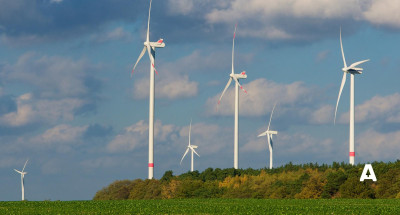
Technically, the de facto ban on onshore wind ended in England in 2023, but its legacy is still very much haunting us. For nearly a decade, national planning policy made it virtually
impossible to approve new onshore wind farms unless sites were specifically allocated in a Local Plan and had demonstrable community backing. The result was a dramatic slowdown in new development, and a lot of risk-aversion that hasn’t fully worn off.
A mixed bag for local delivery
Renewables policy at the local level is a bit of a mixed bag. Some LPAs are getting ahead of the game (try Stroud, East Cambridgeshire, and West Oxfordshire), allocating land for clean energy, refreshing policies and experimenting with Local Area Energy Plans (LAEPs) to map out future needs. Elsewhere, it’s a slow shuffle. No land allocations, outdated evidence bases and vague policy language that give decision-makers very little to go on. It’s not that local planners don’t want to support renewables, it’s that they’re trying to do it with one hand tied behind their backs.
From community backing to community benefits
In our recent blog post, ‘From NIMBY to YIMBY’, we talked about the importance of early community engagement. And it’s true, public support for renewables is generally high. But that support means very little if local energy planning doesn’t create a clear path to delivery. However, a recent one to note is the newly published ‘Community Benefits Guidance for Onshore Wind in England’, which now requires onshore wind schemes to provide community benefits of at least £5k per MW of capacity per year. This highlights that national policy is shifting to begin to push practical community benefits and actually support the delivery of these schemes.
Bridging the gap between UK Energy Policy and local area planning
There is a need for the gap from national to local to be bridged. We need clearer expectations for LPAs on renewables decision making, consistent policy direction from Westminster all the way to parish halls, better resourced plan-making teams, and more joined up thinking between climate, infrastructure, and spatial planning. Policy misalignment has been holding up delivery of green infrastructure, and as this begins to shift, it’s worth keeping an eye on emerging Local Plans, devolution, and the rollout of LAEPs. However, until national policy walks in step with local delivery, we’ll be stuck trying to deliver renewable infrastructure with very little direction or support.